The week AI stocks plunged: what it means for investors and businesses in Brazil
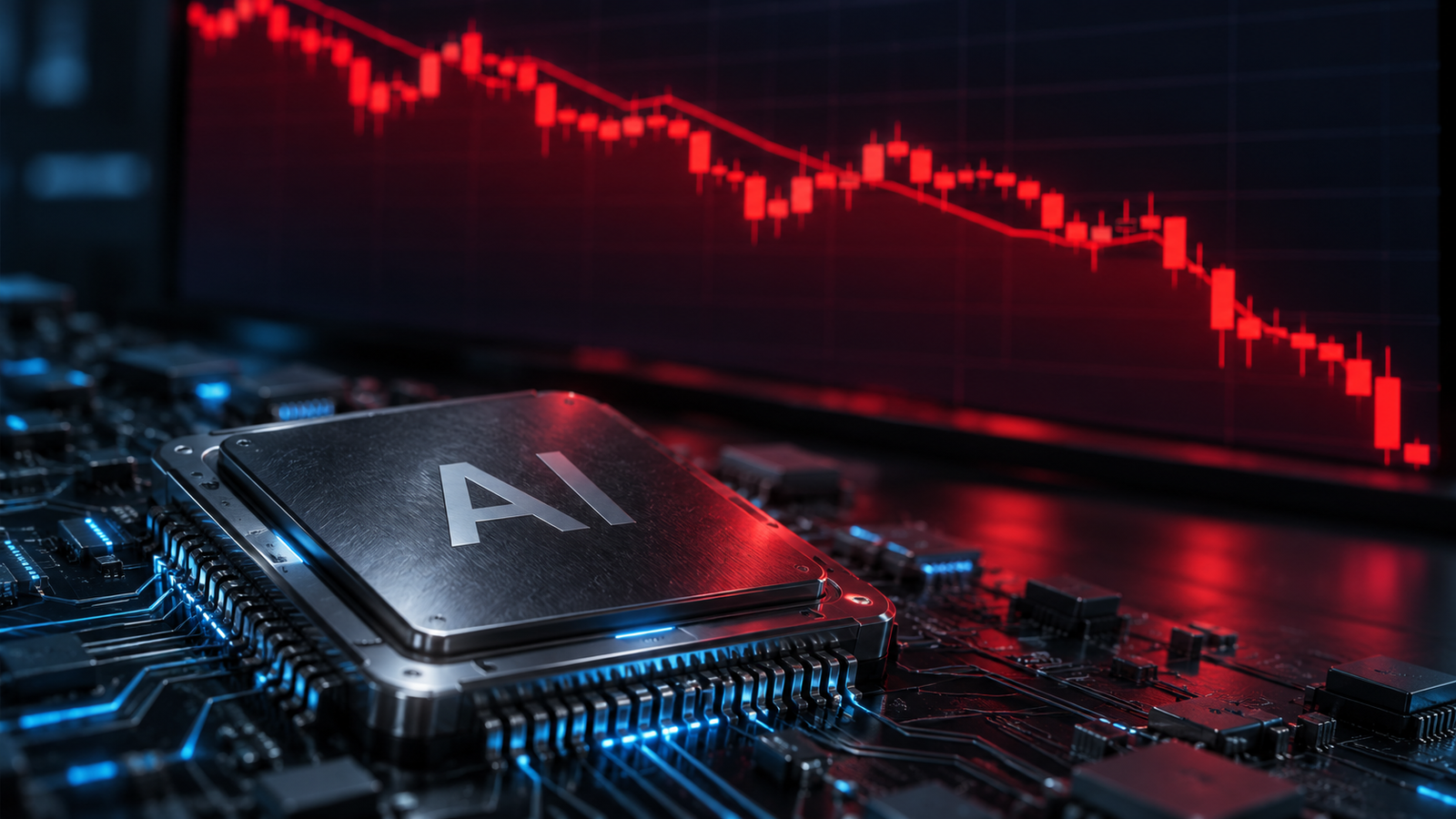
Between Wednesday and Friday of this week, stock markets on three continents went through one of their worst runs since April 2025. The trigger was a combination of a US election result and long-standing doubts about the return on the huge investment in artificial intelligence. Brazil was more shielded than New York or Seoul, but not immune. This article gathers the week's numbers, explains the mechanism behind the drop and shows what it means for anyone investing or doing business from Brazil.
The sequence of events
- Tuesday, November 3: US midterm elections, with broad Democratic wins, according to Fox Business coverage.
- Wednesday, November 4: US stocks rose as political risk was priced out.
- Thursday, November 5: the market changed its mind. The Dow Jones, S&P 500 and Nasdaq fell sharply, and the Nasdaq closed in correction territory.
- Friday, November 6: the wave reached Asia, with a circuit breaker in South Korea and Japan's Nikkei in a bear market. Later, the US released a strong jobs report and Wall Street recovered part of the losses.
Why an election moved AI stocks
According to Fox Business, the price of electricity became a political issue in the US, and the construction of data centers (the server warehouses that train and run AI systems) entered the debate. Some Democrats favor restrictions or pauses on new projects. For the market, that means AI infrastructure expansion that is potentially slower and more expensive, and that is what investors began to price in.
Analysts are divided on how big the problem is. Jakub Rochlitz of eToro attributes the drop to the market reassessing the regulatory outlook. Jed Ellerbroek of Argent Capital sees a "capitulation" phase for stocks tied to data center spending, especially semiconductors, and considers the size of the drop exaggerated. In other words, nobody yet knows whether this is the start of a long correction or a stumble within a trend that still exists.
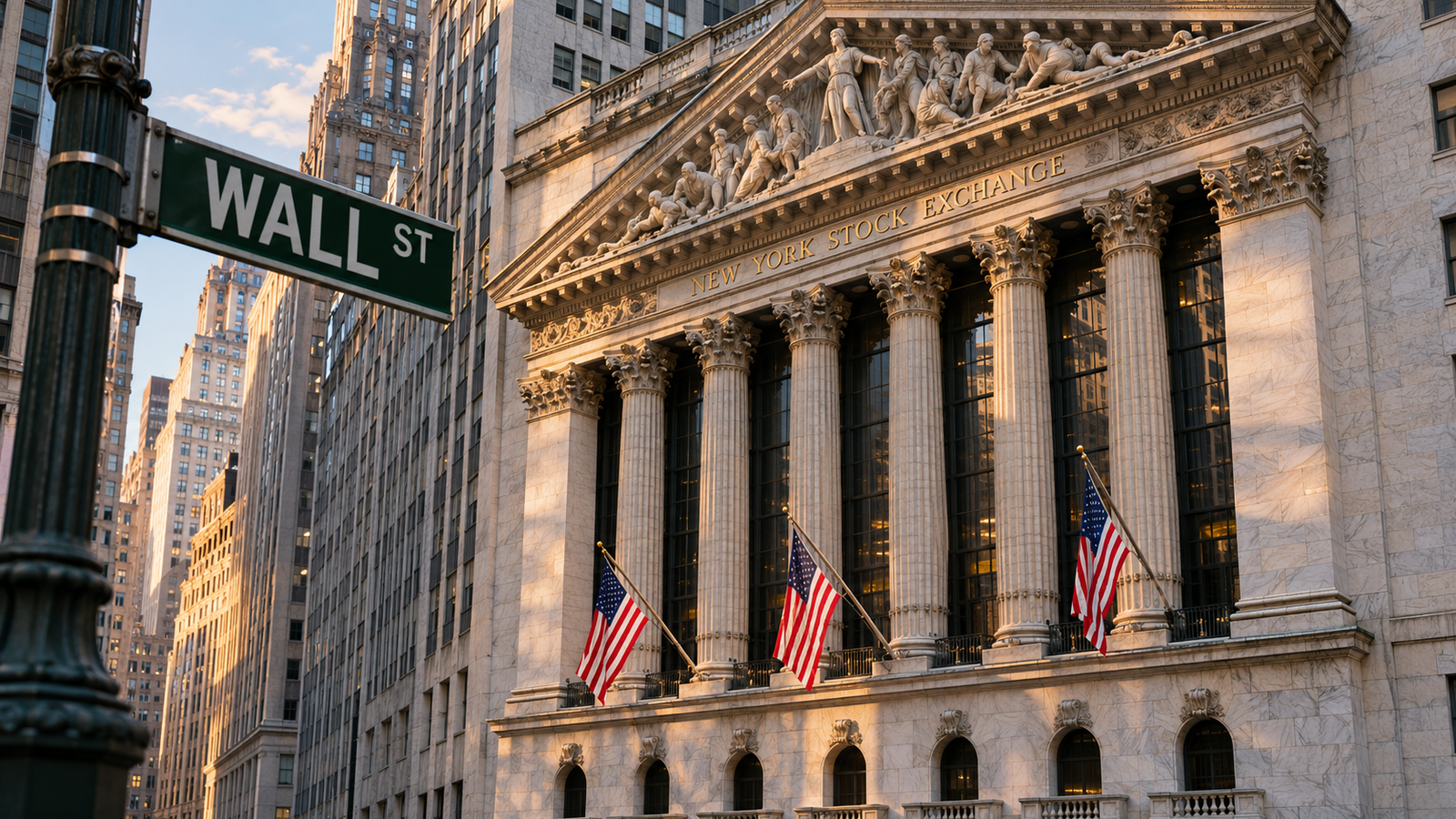
The week in numbers
Wall Street, Thursday (Nov 5)
- Dow Jones: down 3.44% (1,833 points), to 51,523
- S&P 500: down 4.36%, to 7,353.73
- Nasdaq Composite: down 5.52%, to 24,315, its worst session since April 2025 and a close more than 10% below the October 6 record
- Nvidia: down about 9%, and the Philadelphia semiconductor index fell more than 12%, according to Fox Business
- VIX (the "fear index"): up almost 70%, to 28.18
Asia, Friday (Nov 6)
- Nikkei 225 (Japan): down 6.14%, to 57,328, the biggest one-day drop since April 2025. The index entered a bear market, more than 20% below its June peak
- Kospi (South Korea): down 6.06% at the close, to 5,058. At the open it fell about 8.8% and a circuit breaker halted trading for 20 minutes
- Taiwan: down 4.47%
The Korean case shows a concentration risk. Samsung Electronics and SK Hynix, memory suppliers for Nvidia's AI accelerators, together account for more than half of the Kospi's market value. When foreign investors sell both at the same time, the whole index falls with them.
The partial recovery and the data that complicated the picture
On Friday, Wall Street recovered some ground: the S&P 500 rose 0.31% and the Nasdaq 1.09%, while the Dow fell 0.46%. Even so, for the week the S&P 500 lost 2.68% and the Nasdaq 3.37%.
The October jobs report (BLS) showed 165,000 jobs created, against 65,000 expected, with unemployment at 4.1% and revisions that added 84,000 jobs to August and September. A strong labor market reduces the chance of rate cuts: according to CME, the probability of a Fed rate hike in December rose from 66.9% to 76.8%. The 10-year US Treasury yield was at 4.83% on Thursday. Higher rates for longer put pressure precisely on tech stocks, whose value depends on future earnings.
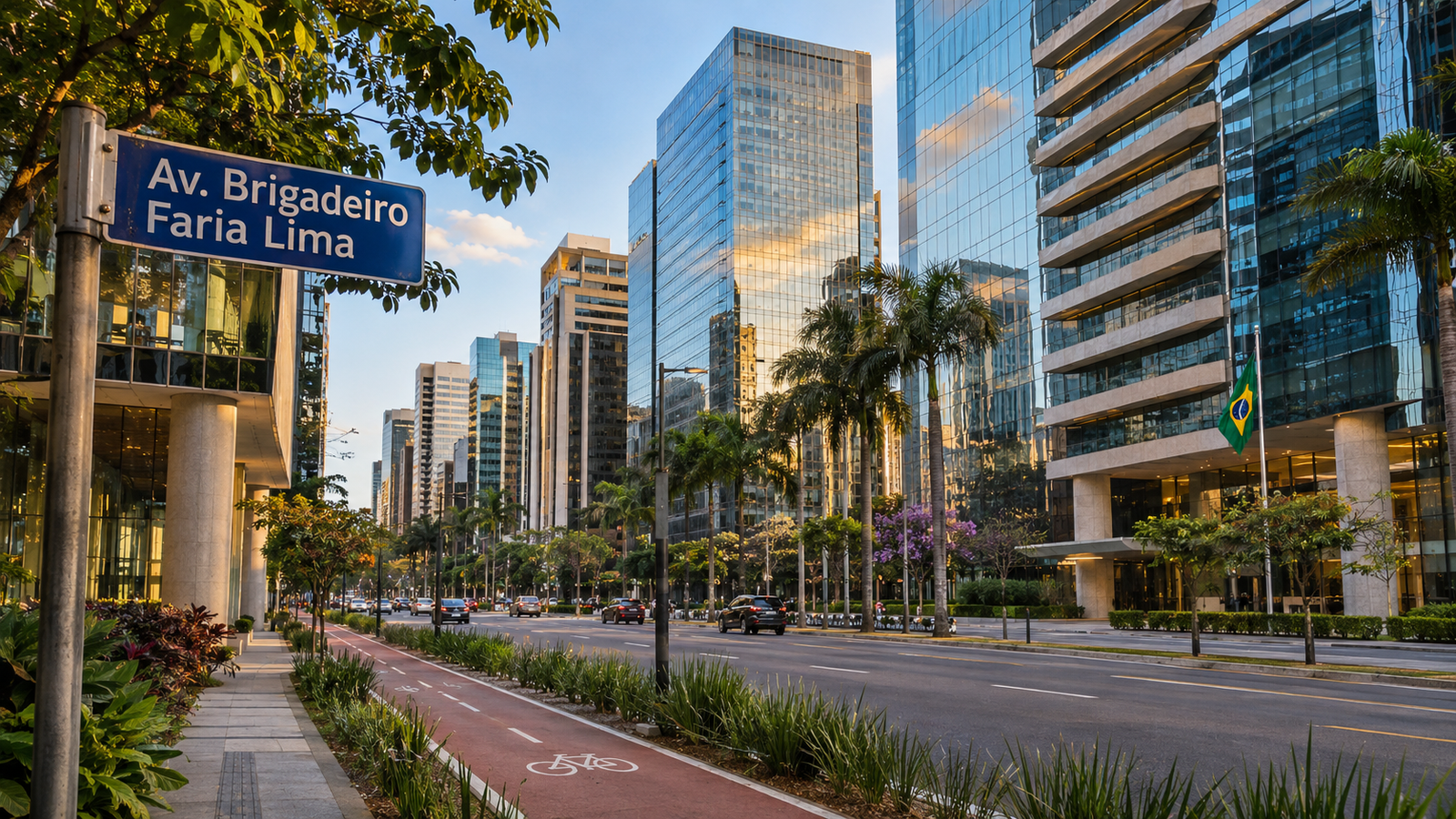
Two factors help explain the relative resilience. The Ibovespa has little exposure to AI and semiconductor companies and is concentrated in banks, commodities and energy. And foreign trade is doing well: October's trade surplus was US$ 9.32 billion, the largest for the month in 37 years, with exports of US$ 31.51 billion. For January to October, the balance is US$ 71.04 billion, and the Ministry of Development, Industry, Trade and Services (MDIC) projects US$ 84.4 billion for the year. Crude oil drove the result, with sales up 122.6%.
There are caveats. The Selic rate is at 13.75%, held by the central bank's monetary policy committee (Copom) at its November 3-4 meeting, and a dollar above R$ 5.50 makes imports more expensive. US tariffs of up to 37.5% on Brazilian products remain under negotiation: in the first nine months of the year, exports to the US totaled US$ 27.46 billion, down 6.5%.
What it means in practice
- Investors abroad through BDRs, ETFs or international tech funds felt the impact directly. Wall Street's drop reaches these portfolios even with a stable Ibovespa.
- Importers live with a more expensive dollar. An exchange rate near R$ 5.50 changes the cost of inputs and equipment and weighs on the margin of anyone without currency protection.
- Exporters tend to benefit from the exchange rate, but depend on foreign demand and tariffs.
- Crypto holders saw bitcoin fall to around US$ 75,500 (down about 6% on Friday), with more than US$ 1 billion in positions liquidated, according to NordFX. In risk-off periods, the asset tends to behave like a tech stock rather than a safe haven.
Five questions to ask your portfolio or your company
- How much of my portfolio depends on a few companies or a single theme? The week was a lesson in concentration, from the Kospi to Nvidia.
- Do I have short-term money exposed to volatile assets? Funds that will be used within months should not depend on a tech rally.
- Are my dollar bills protected? Anyone paying suppliers or tuition in foreign currency should have a plan for the exchange rate.
- Am I deciding by headline or by plan? In panic sessions, selling everything or buying everything on the same day is rarely a strategy.
- What is my time horizon? A one-week correction weighs little on someone investing for ten years, but a lot on someone who needs the money in six months.
What to watch next week
- Monday (Nov 9): the Central Bank's Focus survey and October's IGP-DI
- Tuesday (Nov 10): Copom minutes and US consumer inflation (CPI)
- Thursday (Nov 12): October IPCA inflation in Brazil
- Friday (Nov 13): US PPI and eurozone third-quarter GDP
These data points will show whether pressure on rates and inflation reinforces the correction in tech stocks or whether the market calms down again.
On the following Friday (Nov 13), the dollar closed at R$ 5.6567, up about 2.6% for the week, amid the debate over the government's fiscal package. See the Portuguese article on the dollar's rise on the GlobiaTravel blog.
This article summarizes news and data released through November 6, 2026. Figures may vary between sources (for example, the exact closing levels of the Kospi and Nikkei), and some numbers were reported by a single outlet, as indicated in the text. It is not investment advice: for specific decisions, seek professional guidance. This is an English translation of an article originally published in Portuguese.
Sources
- Fox Business: Wall Street on November 5, 2026
- NordFX: Market Pulse, November 6, 2026
- Startup Fortune: Kospi circuit breaker
- TV Sim Brasil: Kospi and Nikkei on November 6 (in Portuguese)
- Exame: Ibovespa close on November 6 (in Portuguese)
- BLS: Employment Situation, October 2026
- Jornal do Brasil: October trade balance (in Portuguese)
- TradeMap: week agenda Nov 9-13 and Copom decision (in Portuguese)
- Mercado & Consumo: US-Brazil tariff talks (in Portuguese)